
~ Thoughts on Matthew 13:1-23 ~
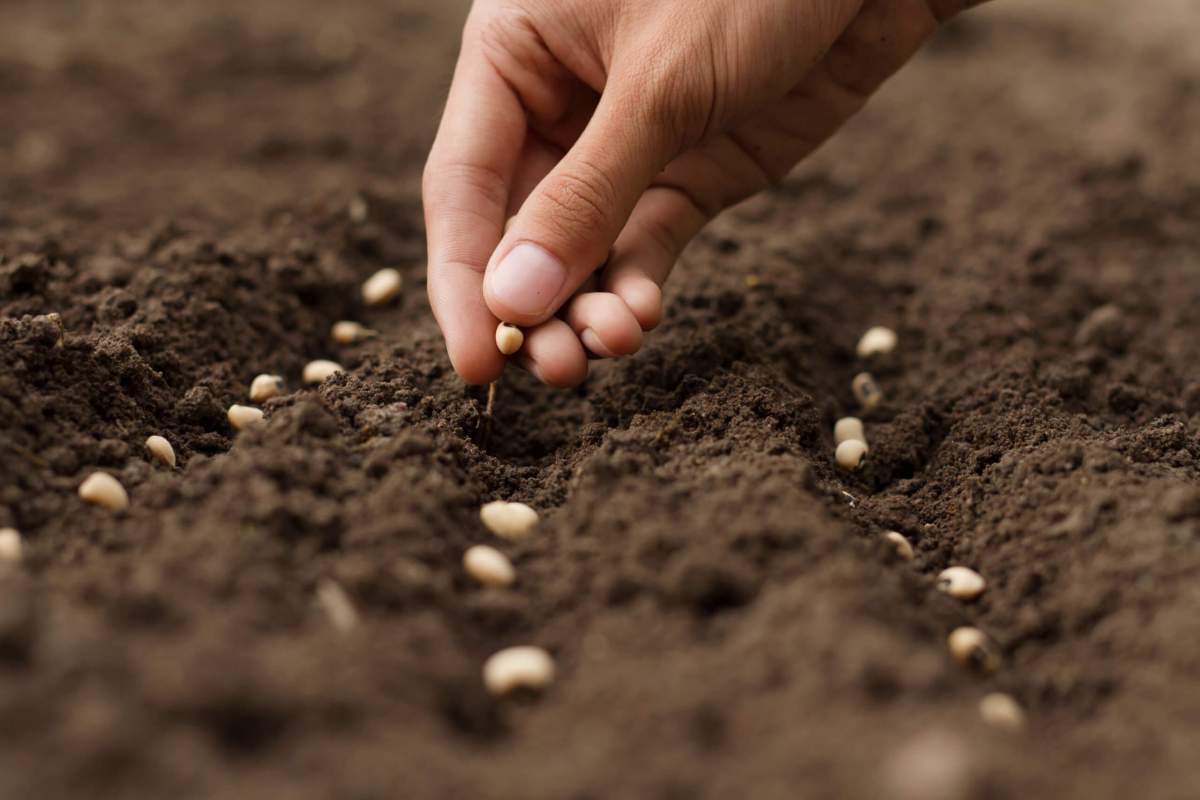
One of the main characters in the parable of the Sower and Seed is often overlooked despite his name being in the colloquial title of the parable! We often get so caught up in analyzing the different types of soils and arguing whether or not any kind of plant growth is indicative of “being saved,” or if “bearing fruit” is the only way to know for sure if someone is heaven-bound. However, this namesake character is by no means unimportant, and based on the text in Matthew 13:1-23, we can infer a number of key things about this person by his actions, and even by how he sows.
The first thing to consider about this oft overlooked character is that he sows seed bountifully, broadly, and, some might even argue, carelessly. Look in the text at the way the Sower tosses seed all over the place, not just in a carefully prepared furrows as one would expect. If you were a first century Galilean with any understanding of agriculture (which many had), then you might have felt somewhat incredulous about the wastefulness of throwing seed on the hard pathway. Some sources state that in ancient times as much as 25 percent of a grain harvest was preserved as seed for the following year. So, why was the Sower was so careless about where the precious seeds fell? One possible conclusion is that the Sower is so wealthy that he can afford to scatter seeds all over the place – even where he does not expect to reap a harvest.
I think the lesson here is that we should share the Gospel “bountifully, broadly, and … carelessly.” Not careless in the sense that we are unwise or unloving in our approach to people or reckless with the message, but careless in the sense that we don’t withhold “sowing” seed on soil where we think there is no hope of a bountiful harvest, or even growth at all. The reality is, we’re not God and thus don’t know what (or, rather, who) is “good soil” or not. One only has to consider how plants (including what we would consider “weeds”) can grow in the most inhospitable places – sidewalk cracks, mountain crevasses, gutters, and seemingly every other place we don’t want green things to grow – and yet so often our efforts to cultivate thriving plants in what we deem “good soil” fail miserably. This is such a great illustration of how it’s God who causes the seed of the Gospel to take root, grow up into a mature plant, and bear fruit in someone’s life.
The point of this parable is not that we need to somehow discover what kind of soil we are, and, if we determine we’re not good soil, to then amend ourselves into tilled and cultivated ground so we can receive the Gospel. Think of how impossible that is for dirt to do for itself, and then realize that it’s only God who can break up hard ground, uproot thorns and thistles and turn barren land into a fruitful garden. Jesus says as much in the verses sandwiched between the parable of the Sower (vv1-9) and its explanation (vv18-23). Here in verses 10-17 Jesus makes it clear that God is the one who sovereignly chooses to open ears and eyes and grant understanding of the truth that leads to salvation.
So, going back to the namesake character. Most of my life I have correlated the Sower to God; but I think I have been wrong all these years. I think we, individual Christians, are the Sower, and that our calling is to freely sow the seed of the Gospel with everyone (freely we have received, so we should freely give – Matthew 10:8). Our job isn’t to do soil analysis and cautiously and sparingly plant a seed here and there in what we determine to be rich soil. Rather, we should cast the seed far and wide and trust in the One who gives the increase with the results (see 1 Corinthians 3:6-9).
 Pens and Picks